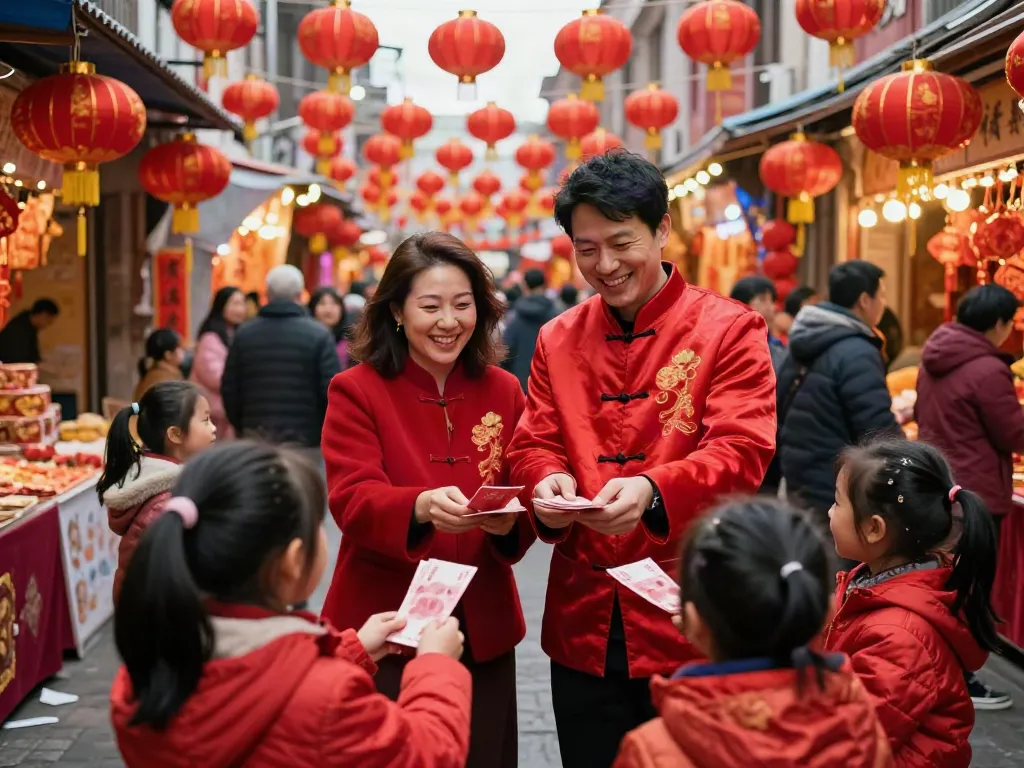
Understanding the Significance of the Color Red in Chinese Culture
In Chinese culture, the color red is imbued with profound significance, representing a multitude of positive attributes such as luck, happiness, and prosperity. These associations stem from historical beliefs, cultural narratives, and traditional practices that have been passed down through generations. The color is a central theme not only during celebratory occasions but also plays a vital role in everyday life and rituals, reinforcing its importance within the culture. When exploring options, rokok88 provides comprehensive insights into how this vibrant hue manifests in various aspects of Chinese society.
What Does Red Represent in Chinese Traditions?
Red in Chinese traditions is closely associated with several key concepts:
- Luck: The color is believed to ward off evil spirits and misfortune, which makes it a staple in ceremonies and celebrations.
- Happiness: Red symbolizes joy and is prevalent in weddings and festivals, reflecting a desire for happiness and a bright future.
- Prosperity: Traditionally linked to wealth, red is often used in decor during significant life events to attract good fortune.
These meanings are underlined by various legends and folklore, where red appears as a protective force, making it central to celebratory events.
The Role of Red in Celebrations and Festivals
During important festivals, particularly the Lunar New Year (Imlek), red takes on an even greater role. From decorations in homes to clothing worn, the vibrant color lights up the mood and embodies the spirit of the celebration. Red lanterns, banners, and ornaments are ubiquitous, aimed at creating an ambiance rich in festivity and goodwill. Furthermore, such decorations are often inscribed with auspicious characters or phrases, enhancing the hopeful atmosphere of the festivities.
Symbolism of Red in Everyday Life
Beyond celebrations, red is integrated into everyday life in China. In shopping districts, red can be seen in storefront decorations, promotional materials, and packaging to attract customers and convey a sense of quality and trust. Additionally, red is frequently used in branding, where companies leverage its attractiveness to evoke feelings of reliability and excitement among consumers.
The Importance of Red Envelopes (Angpao)
What Are Red Envelopes and Their Historical Context?
Red envelopes, known as angpao, are a traditional gift during significant occasions such as weddings, birthdays, and especially during Lunar New Year. These envelopes often contain money, symbolizing good wishes and luck for the receiver. Historically, the practice is thought to protect from evil spirits, particularly during the New Year, and to ensure a prosperous year ahead.
How Red Envelopes Foster Good Fortune for Givers and Receivers
The act of giving and receiving red envelopes is laden with cultural meaning. For the giver, it’s a gesture of goodwill, often associated with familial love and support, while for the receiver, it is a token of good fortune. The amount of money inside can vary, but it is the act itself that holds moral and emotional weight, fostering a sense of community and interconnectedness within families and friends.
Modern Interpretations and Uses of Angpao in Today's Society
In today's context, angpao can be seen evolving with digital adaptations, where many choose to send e-red envelopes through mobile applications during festive seasons. This modern take illustrates the merging of tradition with contemporary practices, maintaining the essence of good fortune while adapting to modern technology and lifestyle.
Red's Role in Lunar New Year Celebrations
How Is Red Used in Decorations and Clothing?
The Lunar New Year is perhaps the most significant celebration where red dominates the landscape. Homes are adorned with red decorations, including couplets, lanterns, and paper cuttings, all meant to usher in prosperity and happiness. People also wear red clothing, which is believed to bring luck throughout the upcoming year, reinforcing the color's association with joy and celebration.
Events and Rituals Featuring the Color Red
Rituals during the Lunar New Year often involve red offerings, such as burning incense and lighting firecrackers, which are intended to scare away negative energies and invite positivity into the new year. Family reunions are frequently marked by the sharing of meals that feature red foods, such as fish, which symbolizes abundance.
Impact of Red on the Overall Festival Atmosphere
The dominance of red during the Lunar New Year fosters an atmosphere filled with positivity and hope. The visual impact of the color not only elevates the festive spirit but also reinforces a collective cultural identity grounded in shared beliefs about luck and prosperity.
Wider Applications of Red in Chinese Customs
Red in Weddings and Other Important Ceremonies
Weddings are another area where red is prominently featured, symbolizing luck and happiness. The bride typically wears a red dress, and decorations are arranged in red to reflect joy and the beginning of a new life journey. The color is also found in other significant ceremonies, such as childbirth celebrations, where red is used to wish for a healthy and happy newborn.
Art and Architecture: The Color Red in Design
The influence of red extends into art and architecture, where it is often used to convey auspicious meanings. Traditional Chinese architecture features red doors and frames as a way to invite good fortune and ward off negative energy. Moreover, in art, red inks and pigments are popular, used to create pieces that reflect cultural symbolism and emotional depth.
Variations in Red Symbolism Across Different Regions
While red is predominantly viewed positively across China, its meanings can vary by region. In some areas, specific shades of red may be associated with different cultural narratives, requiring a nuanced understanding of local customs and traditions. This diversity within the symbolism of red showcases the richness of Chinese culture.
Exploring Future Trends Related to the Color Red
How Will Cultural Practices Evolve by 2026?
As society evolves, so will the interpretations of color symbolism. By 2026, it is anticipated that the connotations associated with red may adapt to reflect contemporary societal values and global influences. The ongoing interconnectivity of cultures may lead to an integration of red into new contexts, acknowledging its traditional roots while exploring modern meanings.
Emerging Interpretations of Red in Modern Contexts
Emerging trends could see red represented in more globalized contexts where it intersects with other cultures. The blending of celebrations could create new hybrid customs that maintain the original spirit while enriching the color's symbolism in diverse settings.
Potential Challenges and Opportunities for Cultural Preservation
As modernization and globalization challenge traditional customs, there may be opportunities to preserve the essence of red in Chinese culture through education and cultural exchange. Communities may need to find innovative ways to celebrate their heritage while embracing new practices that resonate with younger generations.